

In today’s fast-paced world, where stress and burnout are common companions, the quest for holistic wellness has never been more relevant. This approach emphasizes the interconnectedness of physical, mental, and spiritual health, offering a pathway to balance and harmony. By integrating various practices such as yoga, supplements, IChing (Yijing), and meditation, individuals can cultivate a lifestyle that nourishes every aspect of being. This article explores these practices, their benefits, and how they complement each other to promote overall well-being.
Understanding Holistic Wellness
Holistic wellness is a multifaceted approach that recognizes the interdependence of physical health, mental clarity, emotional stability, and spiritual connection. It’s not just about treating symptoms but addressing the root causes of imbalance. This philosophy encourages individuals to view themselves as a whole system, where every part influences the others.
The Role of Yoga in Holistic Wellness
Yoga is an ancient practice that combines physical postures (asanas), breathing techniques (pranayama), and meditation. Its benefits extend beyond flexibility and strength; it fosters mental clarity, reduces stress, and enhances spiritual awareness. Studies show yoga can lower cortisol levels, improving mood and reducing anxiety. This makes yoga a foundational practice for holistic wellness, as it prepares the body and mind for other healing modalities.
Supplements: Nourishing the Body for Overall Health
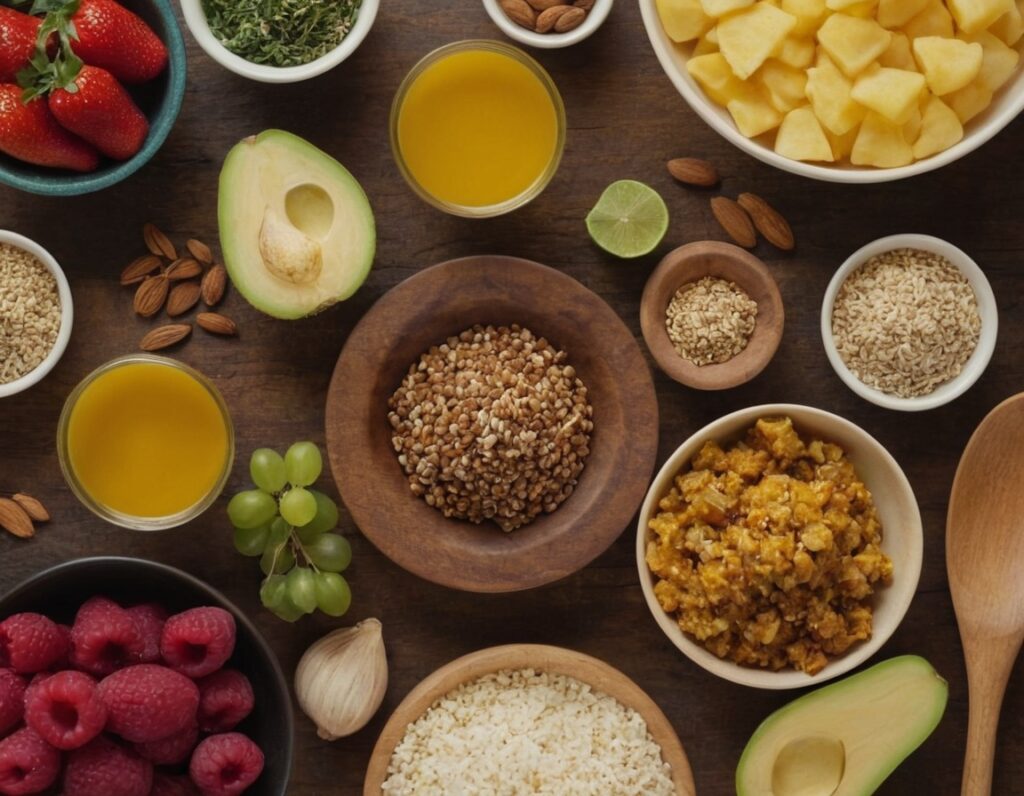
Supplements play a crucial role in filling nutritional gaps and supporting health. Key nutrients like vitamins D and B12 are essential for energy and immune function, while omega-3 fatty acids combat inflammation. Adaptogens such as ashwagandha and ginseng help manage stress. It’s important to choose high-quality supplements and consult healthcare providers to ensure they meet individual needs.
IChing (Yijing): Ancient Wisdom for Modern Living
The IChing, or Book of Changes, is a 3,000-year-old Chinese text offering insights into the universe’s functioning through symbols and archetypes. Its teachings encourage harmony with nature and thoughtful decision-making. By understanding one’s place within the cosmos, individuals can make choices that align with their true selves, fostering inner peace and balance.
Meditation: Cultivating Presence and Awareness
Meditation is a practice of training the mind to focus and relax, promoting emotional well-being and spiritual growth. Scientific studies highlight its benefits in reducing anxiety, depression, and stress while enhancing focus and happiness. Beyond mental health, meditation deepens self-awareness and connection with others, making it a vital component of holistic wellness.
Integrating Practices for Balance
The journey to holistic wellness is an integration of these practices. Yoga prepares the body and mind, supplements nourish the system, IChing guides wise decisions, and meditation cultivates inner peace. Together, they create a harmonious lifestyle that supports physical health, mental clarity, and spiritual fulfillment.
Conclusion: Embracing a Holistic Lifestyle
Adopting a holistic approach requires patience and self-awareness. Start with one practice, like yoga or meditation, then gradually incorporate others. Remember, wellness is a journey, not a destination. By embracing these interconnected practices, individuals can cultivate a balanced life that honors the body, mind, and spirit.
In a world that often demands quick fixes, holistic wellness offers a sustainable path to health and happiness. Begin your journey today, and discover the transformative power of balance.